
Operations can look strong on the surface, but performance often becomes unstable when people work in different ways. In automotive and operational environments, small differences in steps can create big differences in cost, time, and quality. This is why process standardization matters.
Standardization does not mean making work rigid. It means building clear steps that reduce confusion, improve consistency, and support better teamwork. When teams share the same method, communication becomes easier and data becomes more reliable. In modern operations, stable results usually come from stable processes.

Why Standardization Matters in Automotive Operations
Automotive operations rely on precision. Production lines, supply chains, and service departments all depend on repeatable actions. When a process changes from person to person, it becomes harder to control outcomes.
For example, if two technicians follow different inspection steps, one may catch issues earlier while the other misses them. The final result looks like a quality problem, but the deeper issue is process variation.
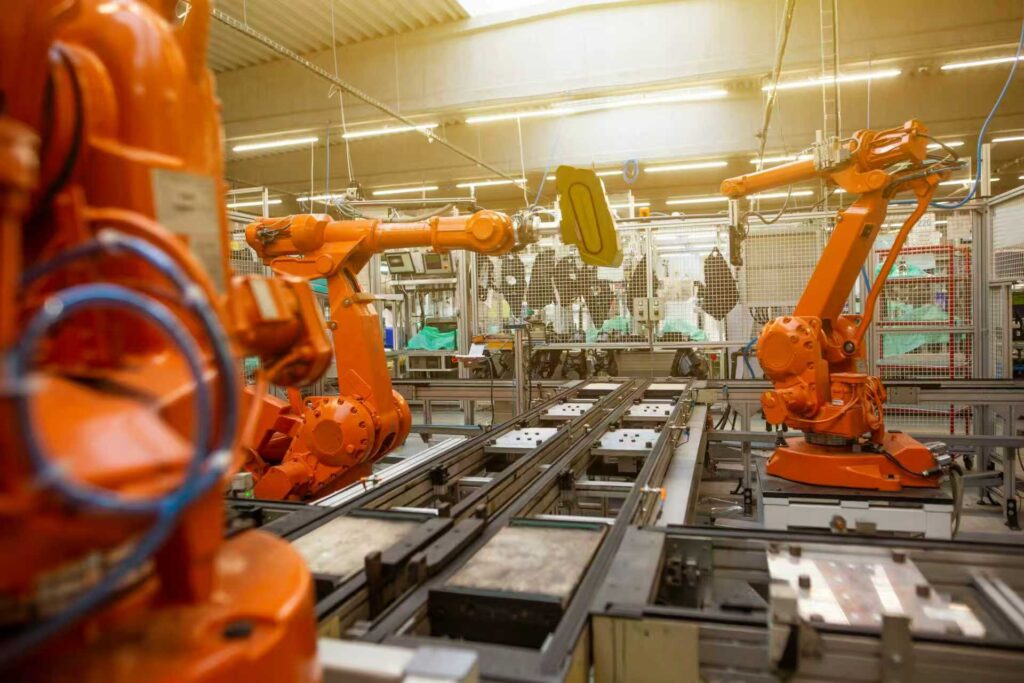
In manufacturing, standard work helps teams reduce rework and downtime. If a station has clear steps and clear timing, managers can see where delays start. Without standard steps, it is difficult to know if the problem is equipment, training, or workflow design.
Standardization also supports safety. When safety checks are part of the standard process, they happen more consistently. This reduces accidents and builds stronger operational discipline.
Standardization Improves Training and Team Communication
Many performance problems are not caused by lack of effort. They are caused by unclear expectations.
When a process is standardized, training becomes faster and clearer. New employees do not need to guess what “good work” means. They can follow a documented method and build confidence through repetition.
Standard steps also improve team communication. If everyone uses the same terms and the same workflow, handoffs become smoother.
In service operations, this is important. Service advisors, technicians, and parts teams need shared procedures. If one role changes steps without informing others, delays increase. Customers may feel that the team is disorganized, even if the technical work is correct.
The Link Between Standard Processes and Better Data
Data is only useful when the process behind it is stable.
If teams measure time, defects, or customer returns, those metrics must come from consistent actions. When processes vary, data becomes noisy. Managers may see performance swings but cannot trust the cause.
Standardization improves measurement because it makes performance comparable. If each station follows the same steps, time differences become meaningful. If each service team follows the same diagnostic steps, return rates become easier to interpret.
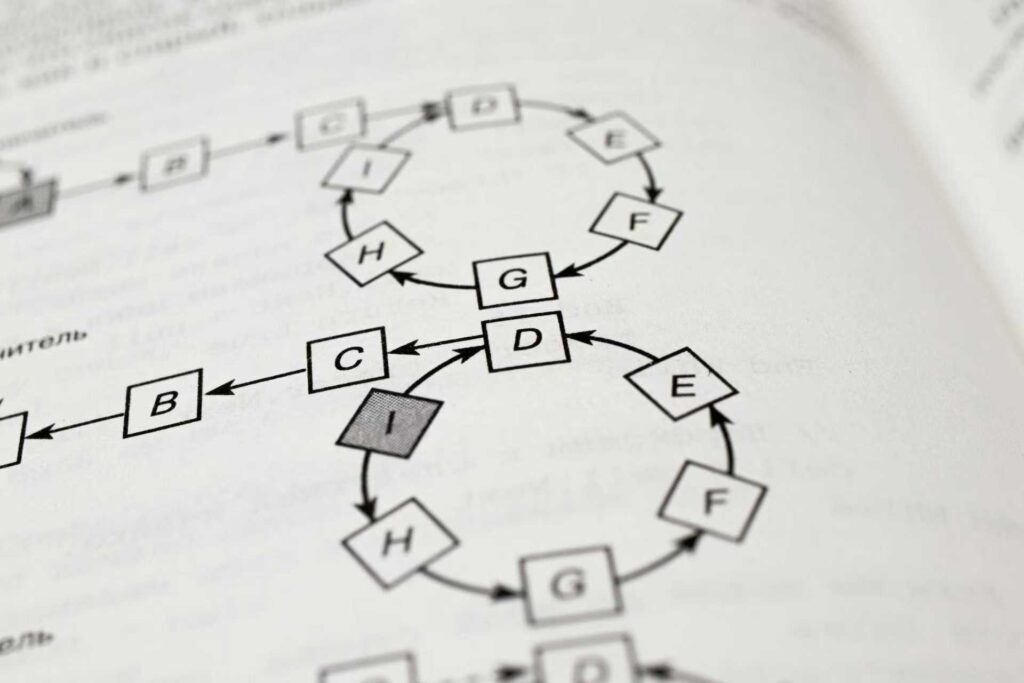
This creates a strong feedback loop:
Clear steps create stable work.
Stable work creates better data.
Better data supports better decisions.
Better decisions improve the process again.
Standardization and data driven management work best when they support each other.
Building a Culture That Follows Standards
Even good standards fail if the culture does not support them.
Leaders need to model consistency. If managers ignore the process when they are busy, employees learn that standards are optional. Over time, variation grows again.
It also helps to connect standards to purpose. People follow steps more willingly when they understand why the steps matter. For example, a standard inspection step is not only about rules. It protects customer safety and reduces future complaints.
Recognition matters too. When teams follow a standard and improve results, that effort should be visible. This reinforces good habits and supports long term discipline.
Final Thoughts
Communication helps teams stay aligned. Data improves decision quality. Standard processes connect both.
In automotive operations, standardization improves consistency, safety, training, and cost control. In service environments, it improves speed, accuracy, and customer trust. In both cases, performance becomes more stable when work becomes more repeatable.
Operational excellence usually comes from simple systems that are followed daily. When processes are clear and shared, results become more predictable. That is how strong performance becomes a habit, not an accident.
Leave a Reply