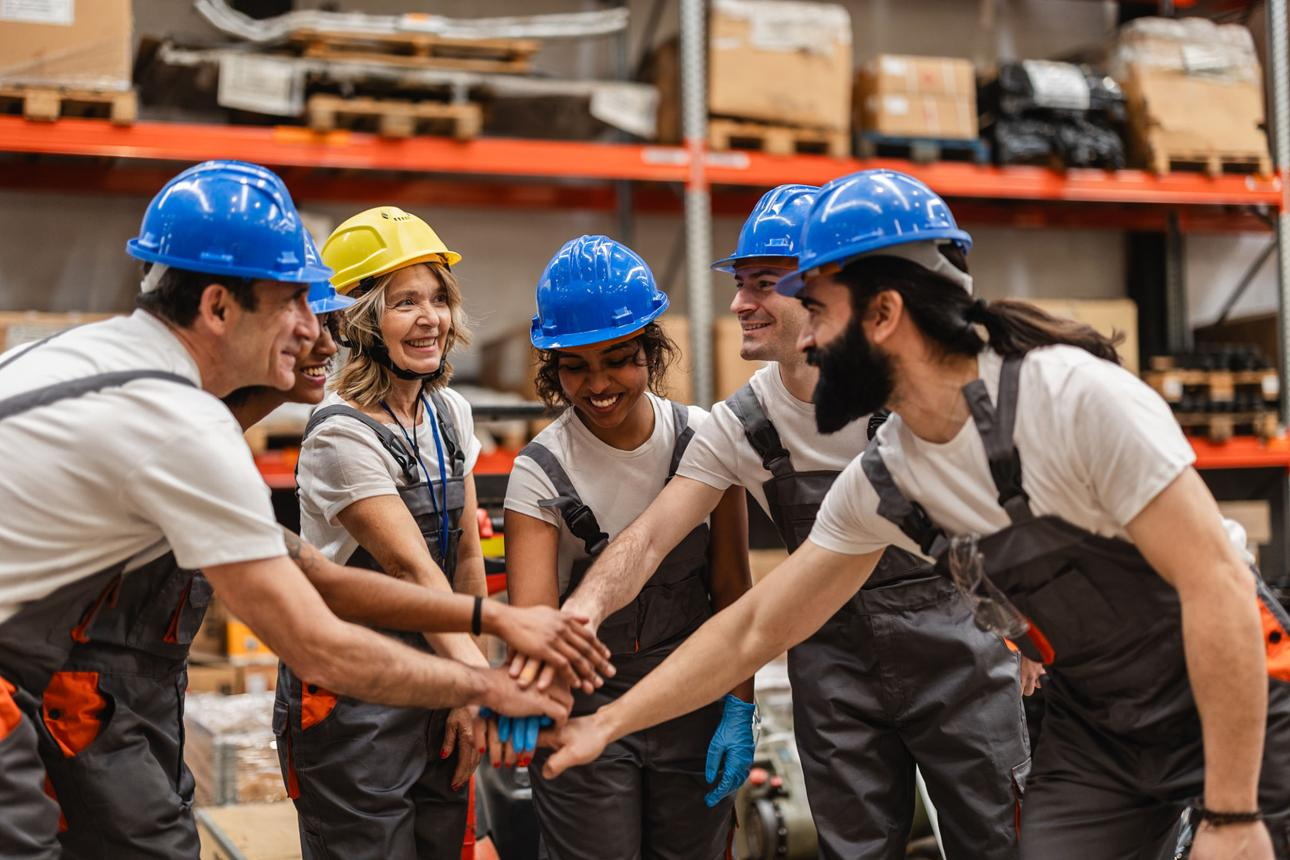
Employee training improves operational performance because people are an important part of every system. A company may have clear processes, useful data, and strong goals, but these tools cannot work well if employees do not understand how to use them. For this reason, employee training is an important part of improving operational performance.
Employee training means helping workers build the skills, knowledge, and confidence they need to complete their tasks well. It also helps employees understand why their work matters and how their actions affect the whole operation.
For more ideas about stronger systems, see my earlier post How Process Standardization Improves Efficiency, Quality, and Team Performance.

Why Employee Training Improves Operational Performance
Many operational problems happen because employees are unsure about what to do. They may follow different methods, make avoidable mistakes, or spend too much time asking for help. When training is weak, performance becomes less stable.
Good training helps create clear expectations. Employees know the correct steps, the quality standards, and the goals of their work. This reduces confusion and helps teams work more smoothly.
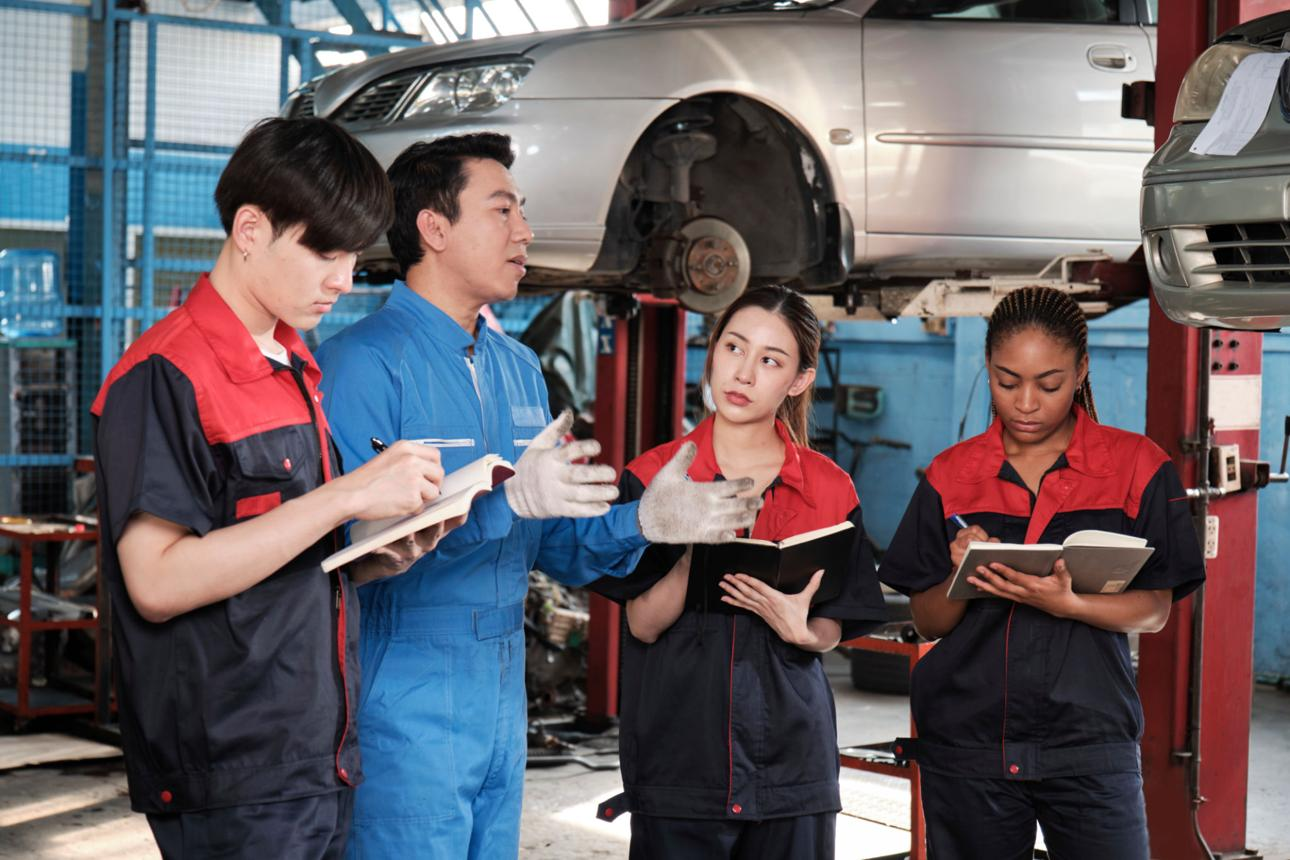
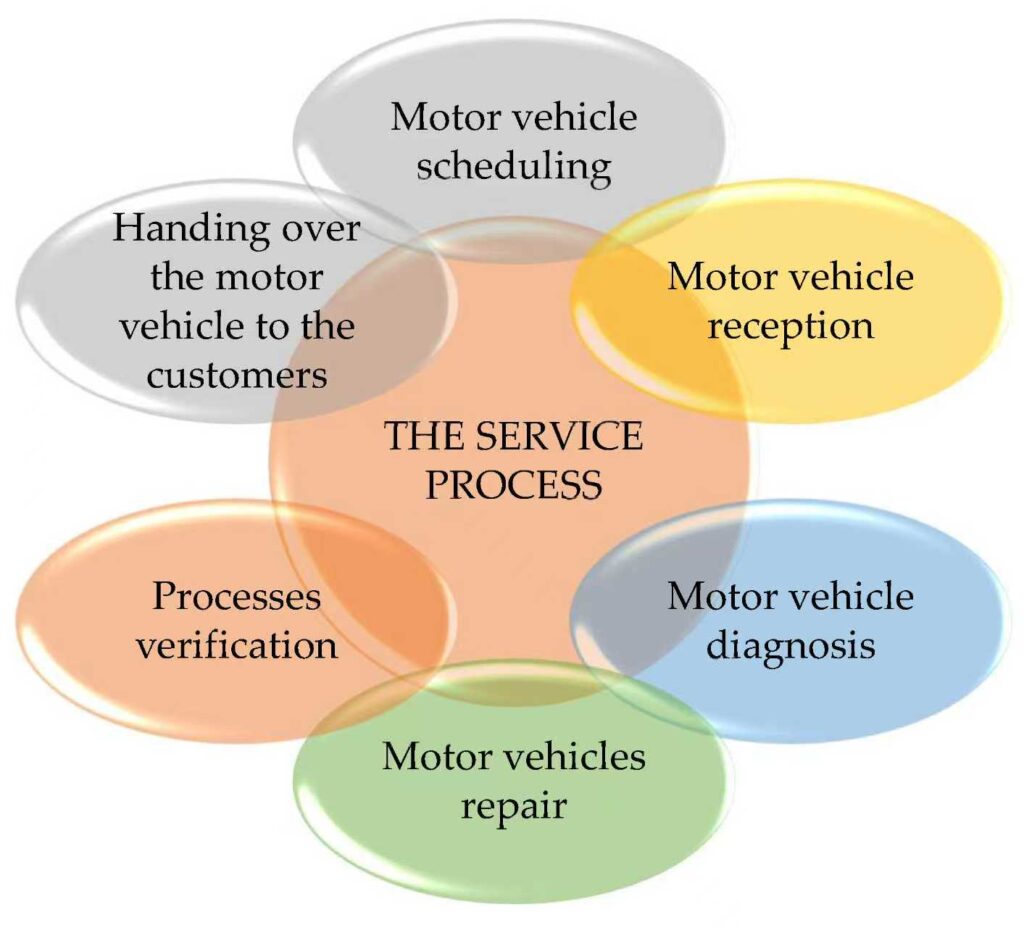
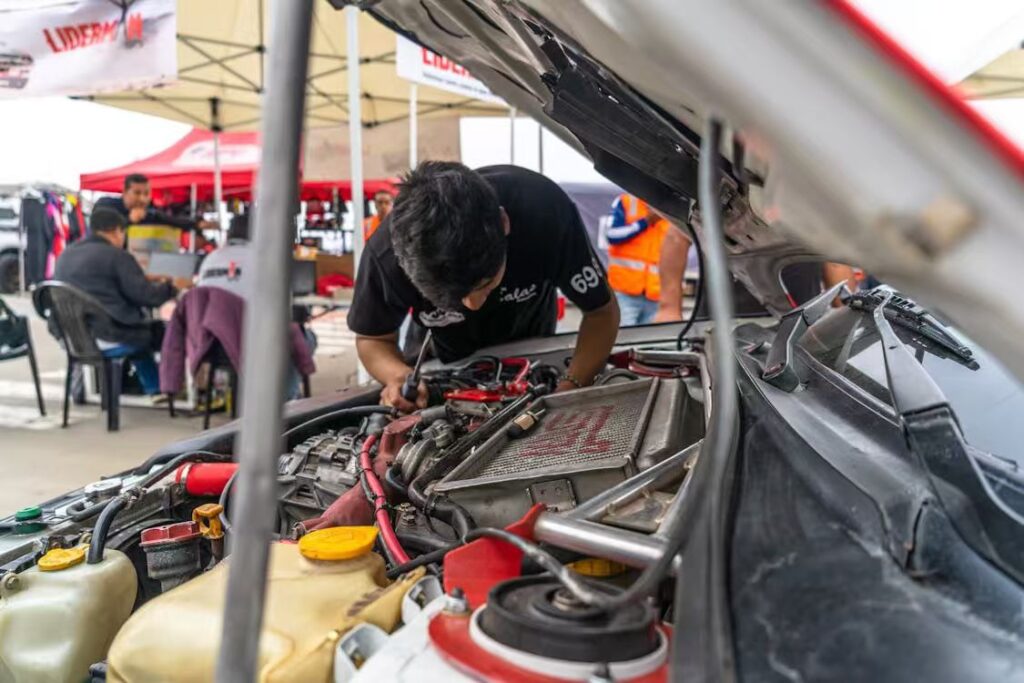
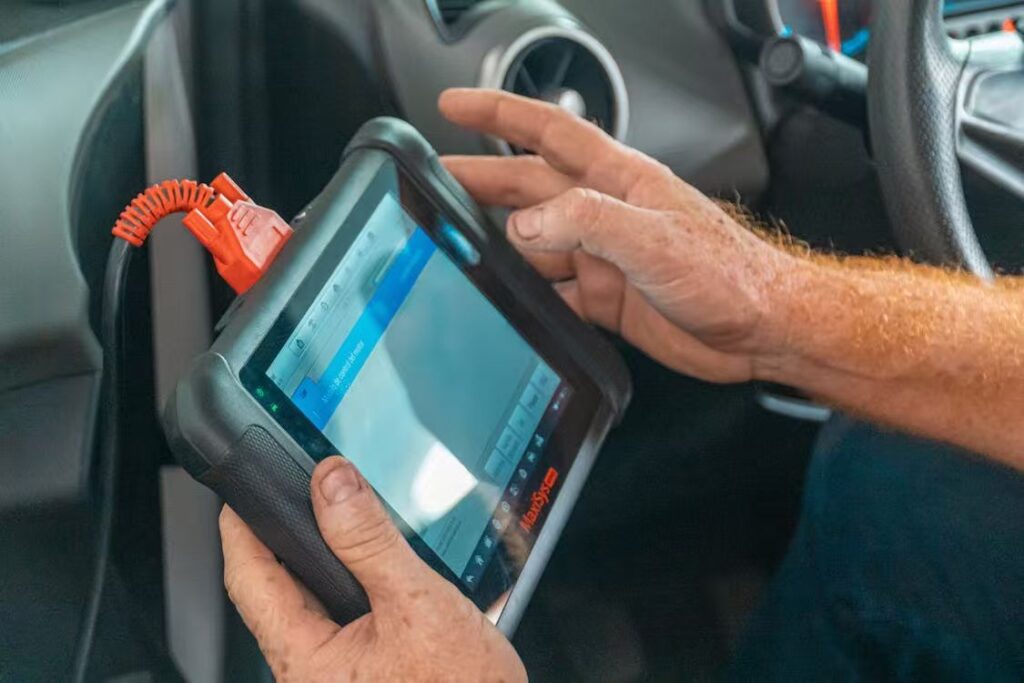
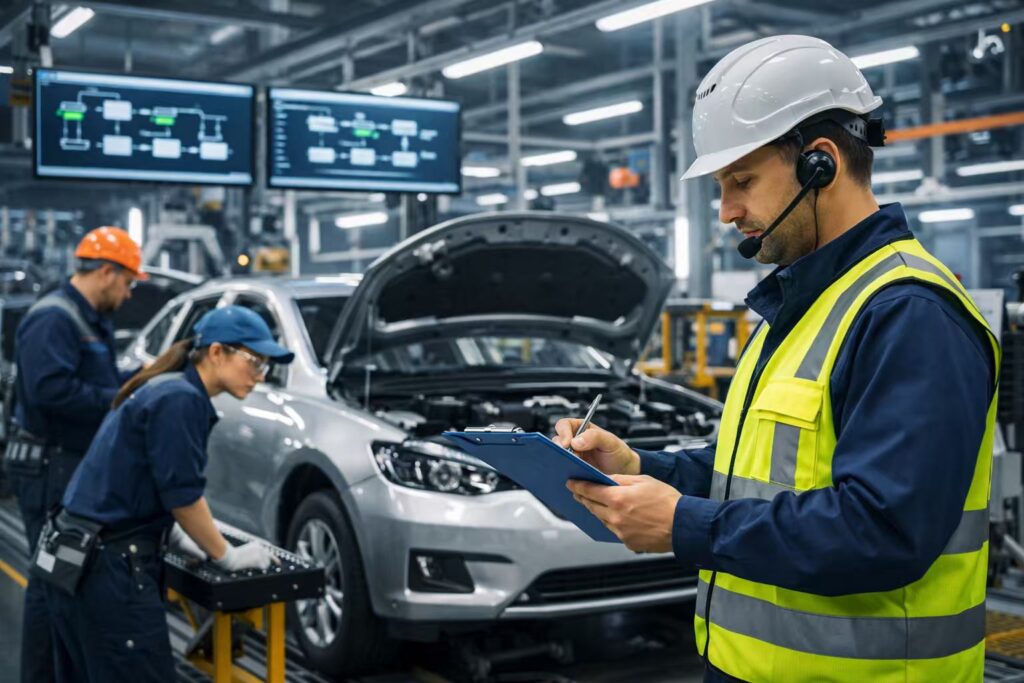
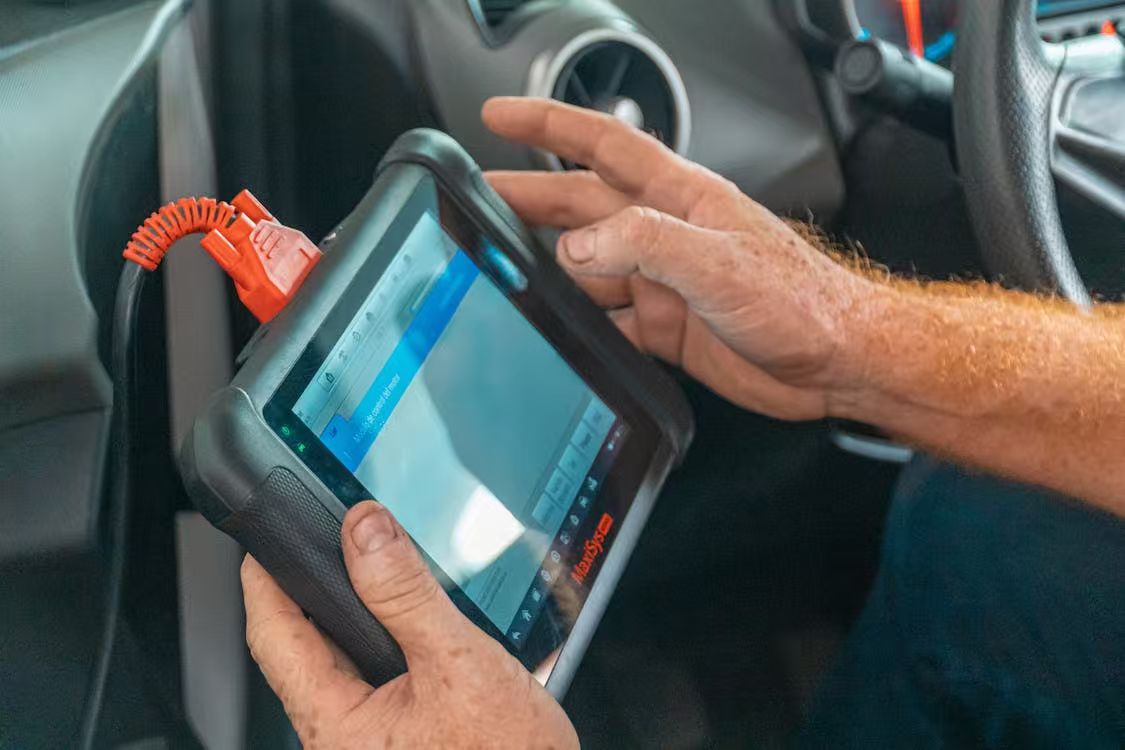
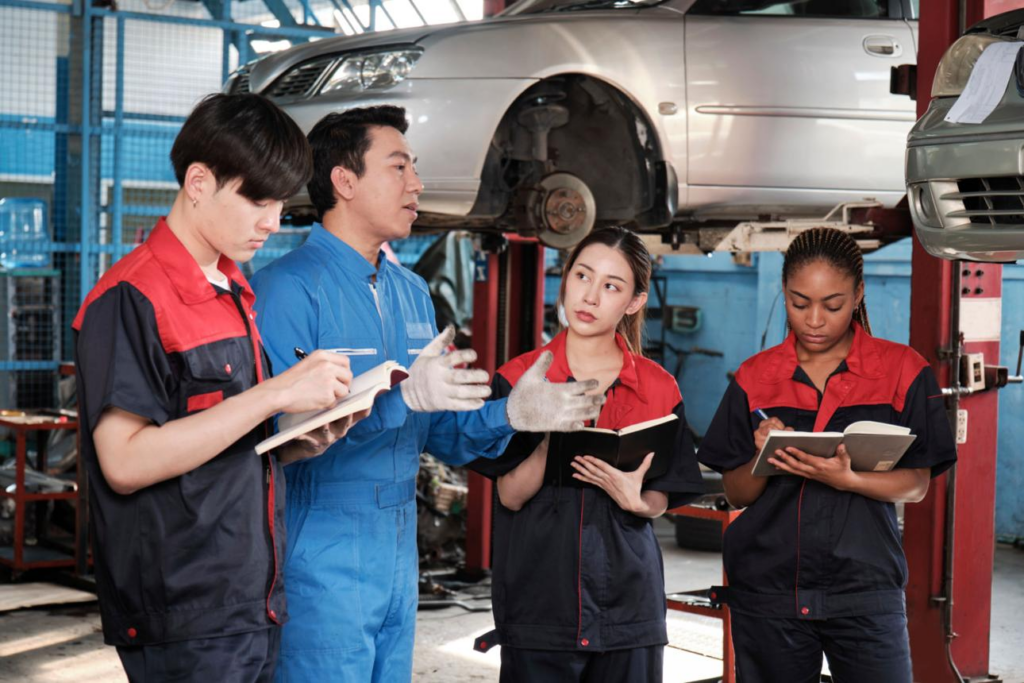
In automotive operations, training is especially important. A service team must understand repair procedures, safety rules, customer communication, and time management. If employees are well trained, they can complete work faster and reduce errors.
How Employee Training Improves Operational Performance Through Efficiency and Quality
Employee training improves operational performance by increasing efficiency. Employees spend less time guessing and more time completing useful work. Training also helps new employees become productive more quickly.
Employee training improves operational performance through better quality. When workers understand standards and common problems, they can avoid mistakes before they happen. They can also notice issues earlier and report them to managers.
Strong training creates consistency. This means customers receive similar service each time. It also helps managers trust that daily work is being done in the right way.

Building Employee Training for Better Operational Performance
Training should not only happen when someone first joins a company. Operations change over time, so employee skills must also improve. New tools, new customer needs, and new processes all require continued learning.
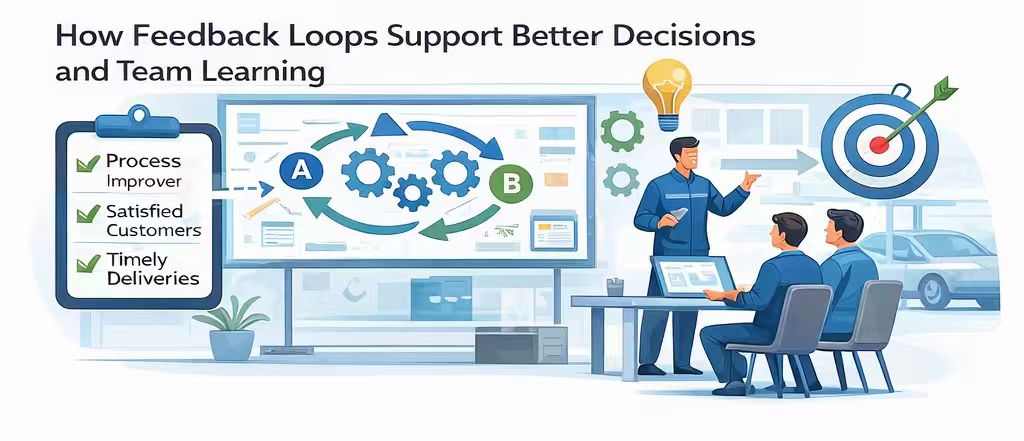
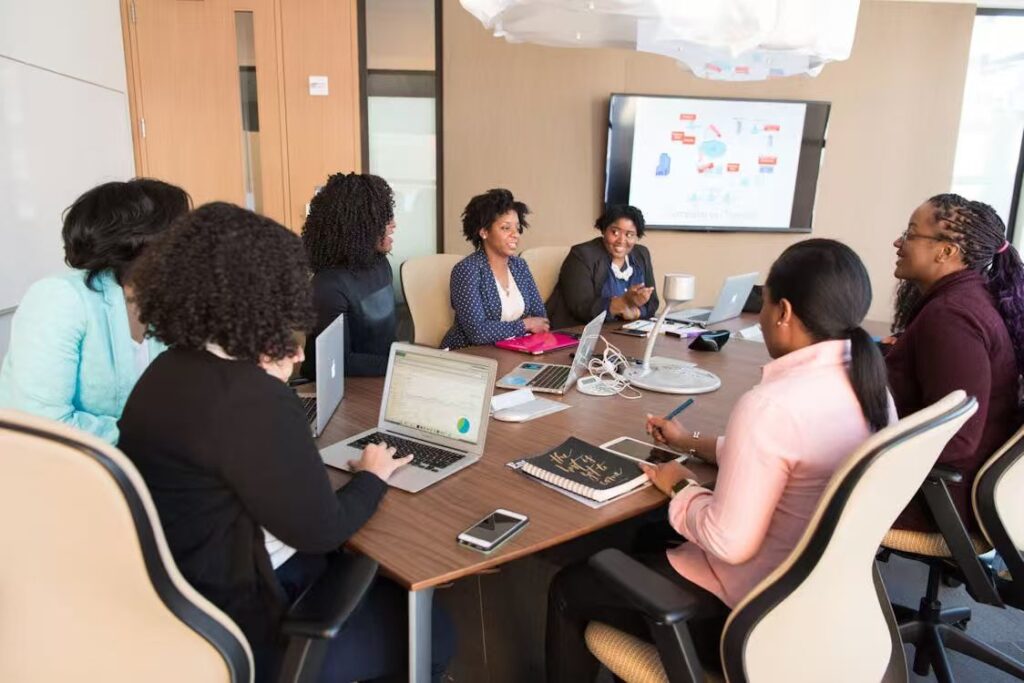
Managers can support training by giving clear instructions, offering examples, and reviewing performance with employees. Short practice sessions, team discussions, and feedback can also help workers improve.
Cross training is another useful method. When employees learn more than one task, the team becomes more flexible. This helps the operation continue when someone is absent or when workload changes.
For more workplace learning resources, visit the U.S. Department of Labor website.
Conclusion
Employee training improves operational performance by helping people work with more confidence, accuracy, and consistency. It supports efficiency, protects quality, and reduces daily confusion. In strong operations, training is not only a one time activity. It is a continuous part of building better performance.