
Communication helps teams stay aligned. Data improves decision making. Standardized processes create consistency. Continuous improvement helps organizations adapt over time. Yet strong operational performance also depends on another important factor: accountability.
In many organizations, performance problems are not caused by lack of effort alone. They often come from unclear ownership. When responsibilities are vague, tasks are delayed, mistakes are repeated, and small issues remain unresolved. Even well designed systems can become unstable if nobody is clearly responsible for follow through.
For this reason, accountability is an essential part of effective operations. It helps teams turn plans into action and supports more reliable performance over time.

Why Accountability Matters in Operations
Operational systems depend on coordination between people, processes, and timing. In automotive environments, production teams, service advisors, technicians, parts staff, and managers all depend on one another. If responsibility is unclear at any stage, delays and confusion quickly appear.
For example, a service delay may not come from technical difficulty alone. A technician may complete the repair, but if nobody clearly owns the update process, the service advisor may not inform the customer on time. In this case, the technical work is finished, but the operational process still fails.
Manufacturing systems show the same pattern. If defect data is collected but no one is responsible for reviewing the information and responding to it, the problem may continue. The organization may have data, but it does not create improvement without ownership and action.
Accountability reduces these gaps. When responsibilities are clearly assigned, teams can respond faster, coordinate more effectively, and maintain stronger operational control.
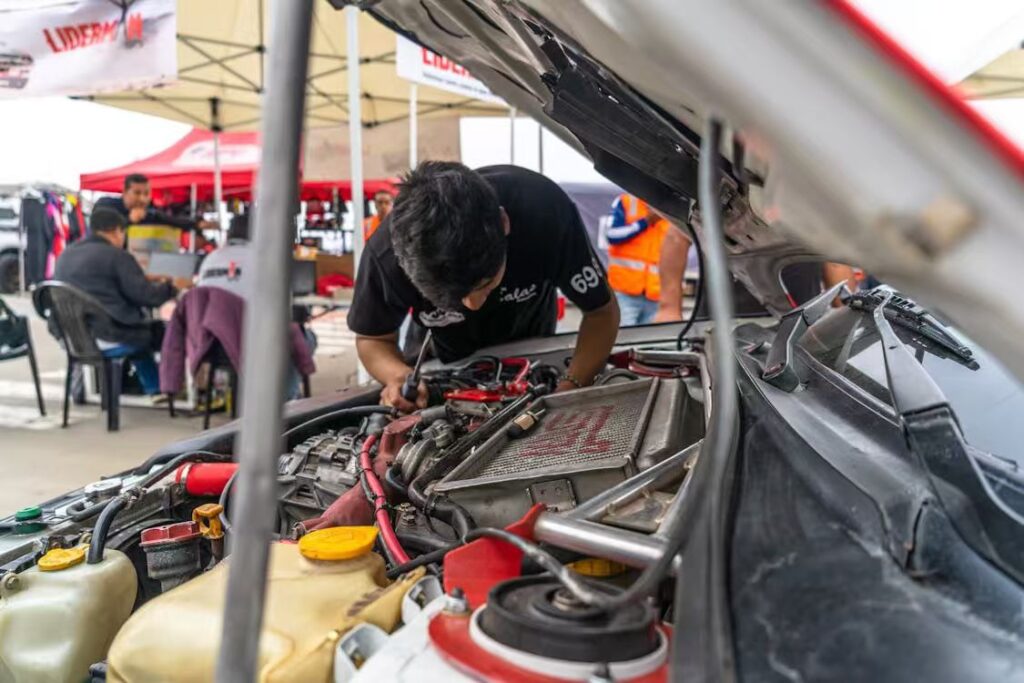
Clear Accountability Creates Stronger Systems
Accountability should not be understood as blame. In strong organizations, it is created through clear systems and expectations.
First, employees need to understand their roles. They should know what tasks they own, what decisions they can make, and what outcomes are expected. When responsibility is unclear, performance becomes inconsistent.
Second, organizations need visible performance standards. Teams cannot be accountable for vague goals. If managers want to improve repair time, production quality, or customer response speed, those expectations must be measurable and clearly communicated.
Third, follow up must be part of the process. Meetings and discussions are useful, but they only create value when next steps are documented and ownership is assigned. Without this structure, decisions often remain incomplete.
In this way, accountability supports the same operational principles discussed in earlier articles. Communication creates clarity. Data makes performance visible. Standardization defines the process. Accountability ensures that the work is carried through.

Accountability in Automotive and Digital Environments
The importance of accountability is clear in both physical and digital systems.
In automotive operations, strong service performance depends on more than technical skill. Scheduling, diagnosis, repair progress, parts coordination, and customer communication all require clear ownership. When each stage has defined responsibility, the workflow becomes more stable and the customer experience becomes more reliable.
Digital environments require the same discipline. In digital marketing, a campaign may involve content planning, search engine optimization, analytics tracking, and reporting. If nobody clearly owns each part of the process, performance becomes difficult to evaluate and improve. Teams may collect information, but they may still fail to act on it effectively.
Clear accountability improves execution in both settings. It reduces confusion, strengthens coordination, and helps organizations respond to problems before they grow.

Final Thoughts
Communication keeps teams aligned. Data improves decision making. Standard processes create consistency. Continuous improvement helps organizations adapt. Accountability connects these elements to action.
In automotive operations, accountability improves coordination, service flow, and operational reliability. In digital environments, it strengthens execution, reporting discipline, and strategic follow through. In both cases, performance becomes more sustainable when ownership is clear.
Organizations rarely achieve strong results through effort alone. Reliable performance develops when responsibilities are visible, expectations are understood, and follow through becomes part of daily operations.
When accountability is built into the system, operational performance becomes stronger, more consistent, and easier to improve.
Leave a Reply