
Choosing the best exhaust tip material is essential for durability, corrosion resistance, and long term appearance, whether you’re considering SS304 or SS201 options.
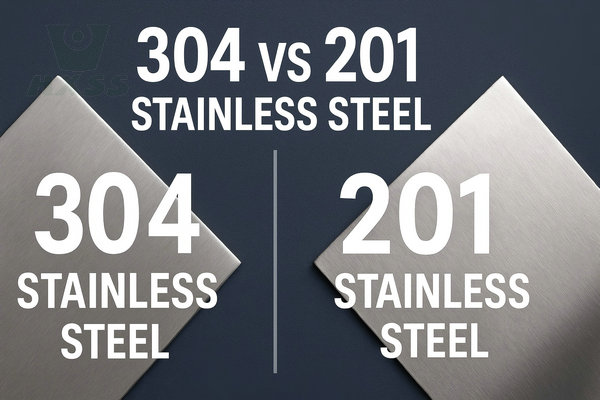
304 vs 201 Stainless Steel: Which Is Better for Exhaust Tips?
The choice between 304 stainless steel and 201 stainless steel is more than just a price difference. When it comes to automotive parts like exhaust tips, the material directly affects corrosion resistance, durability, and long term appearance. Understanding the differences between SS304 and SS201 helps buyers decide which material provides the best value to them individually.
What is SS201
201 Stainless Steel: This grade is less expensive. 201 stainless steel contains 16%-18% chromium and 3.5%-5.5% nickel, resulting in lower corrosion resistance compared to 304. It also contains manganese and nitrogen, which contribute to its distinctive properties.
Is 201 Stainless Steel Good for Exhaust Tips?
- Many exhaust tip manufacturers utilize SS201
- Slightly harder and stronger
- Malleable and easier to shape
- Lower nickel content reduces cost
- Slightly darker, colder, or grayish
- More susceptible to corrosion in salty or humid environments
- May require more maintenance to prevent surface rust
What is SS304
304 Stainless Steel: This grade is more expensive. 304 stainless steel contains 18% chromium and 8% nickel. Making it highly corrosion resistant and suitable for a wider range of applications.
- 304 can be polished to a higher finish
- Warmer, brighter, and slightly yellowish brilliance.
- Higher nickel content improves corrosion resistance
- Widely considered the industry standard for stainless steel exhaust tips
- Excels at resisting corrosion, making it ideal for applications in harsh environments or corrosive conditions.
How to not get scammed!
How to Tell if an Exhaust Tip Is 304 Stainless Steel
Reputable sellers will clearly state whether the exhaust tip is made from 304 stainless steel or 201 stainless steel.
Tests are not a guarantee – If the material is not listed, it is likely be a lower grade stainless steel.
- Use a magnet test – 304 stainless steel is usually non magnetic or only slightly magnetic, while 201 stainless steel tends to be more magnetic due to its higher manganese content.
- Chemical test kits – There are stainless steel testing solutions that react to the highrt amount of nickel in 304
- XRF analyzers – Industrial tools called X-ray fluorescence analyzers can accurately identify the chemical composition of the metal.
In reality, it can be difficult, if not impossible, for buyers to definitively confirm stainless steel grades without specialized tools. Making purchasing from reputable sellers like ExaustEnthusiast.co is often the most reliable approach.
Conclusion: Which Stainless Steel Is Better For Exhaust Tips?
In conclusion, the decision between 304 vs 201 stainless steel depends upon the specific requirements of your application. 304 stainless steel, with its higher nickel and chromium content, offers superior corrosion resistance and durability, making it suitable for diverse applications where performance is paramount.
On the other hand, 201 stainless steel is a cost effective option that serves well in less demanding environments or applications where formability and affordability are essential.
Ultimately, the right choice depends on your specific needs. The right choice ultimately depends on your priorities, budget and intended use.
Does Material Even Matter If The Exhaust Tip Is Hidden ?
If an exhaust tip is mostly hidden under the vehicle, the difference between 201 and 304 stainless steel may matter less from a visual standpoint.
In those cases, corrosion resistance and long term durability are the main concerns rather than appearance. While 201 stainless steel can work for hidden applications where exposure to moisture and road salt is limited, 304 stainless steel still offers better corrosion resistance. For vehicles driven in harsher climates or areas with heavy road salt, 304 stainless steel is generally the safer long term choice even if the exhaust tip is not highly visible.
ExhaustEnthusiast.co is a professional supplier of some 201 and a variety of 304 stainless steel exhaust tips. Offering high quality parts made from high quality materials at competitive prices.
Related Posts:
- How to Corectly Measure Exhaust Tailpipe
- Single Wall vr Dual Wall Exhaust Tip
- Does Exhaust Tip Size Affect Sound?
- Stainless Steel 304 vr SS201
- How to Choose the Right Exhaust Tip Size