
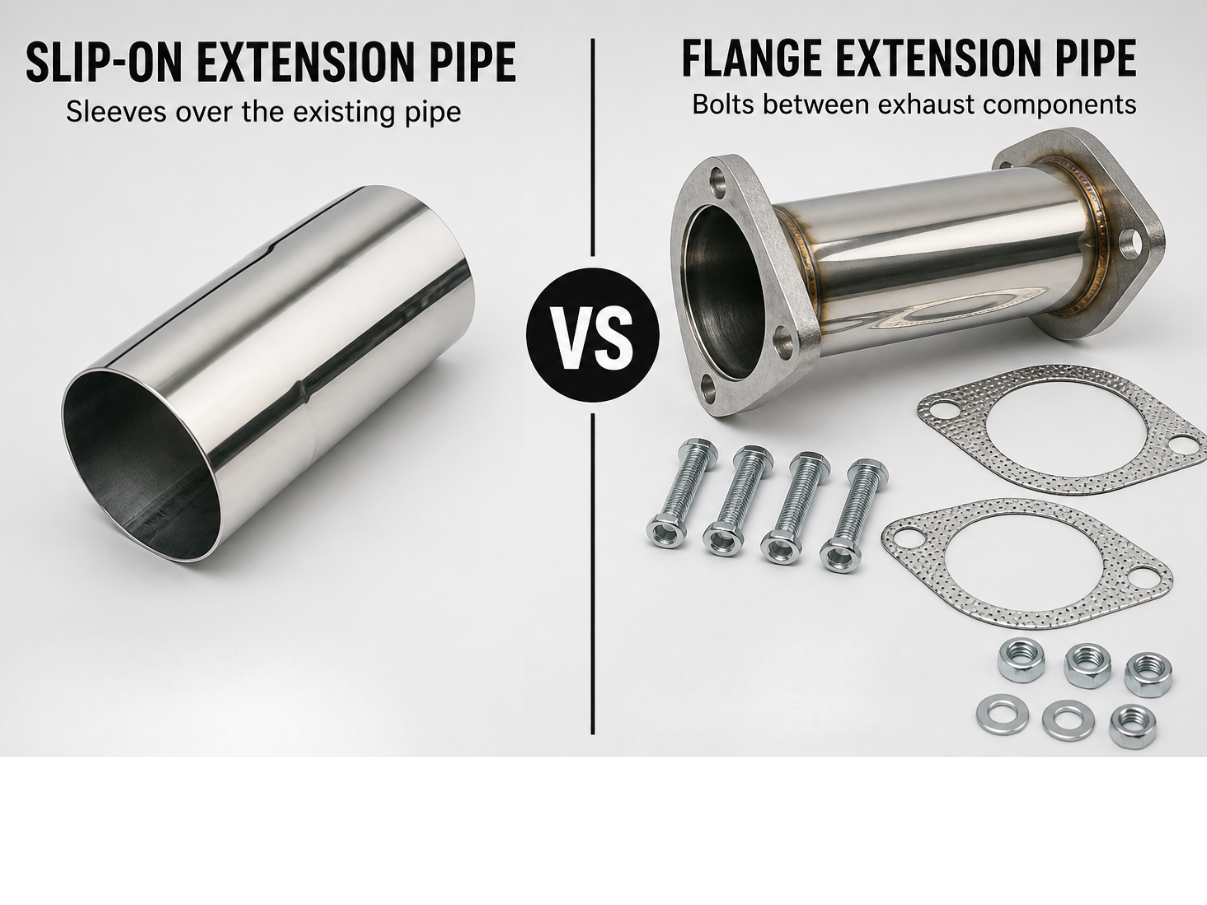
Exhaust extension pipes are commonly used to adjust exhaust tip positioning, improve fitment, or help an exhaust setup reach the desired look.
While many factory and aftermarket exhaust systems fit correctly without extensions, some builds require additional length to properly position the exhaust tips under the bumper. Extension pipes are especially common on custom exhaust setups, modified vehicles, or vehicles using universal exhaust tips.
Understanding when and why extension pipes are used can help avoid fitment issues and improve the overall appearance of an exhaust system.
What Are Exhaust Extension Pipes?
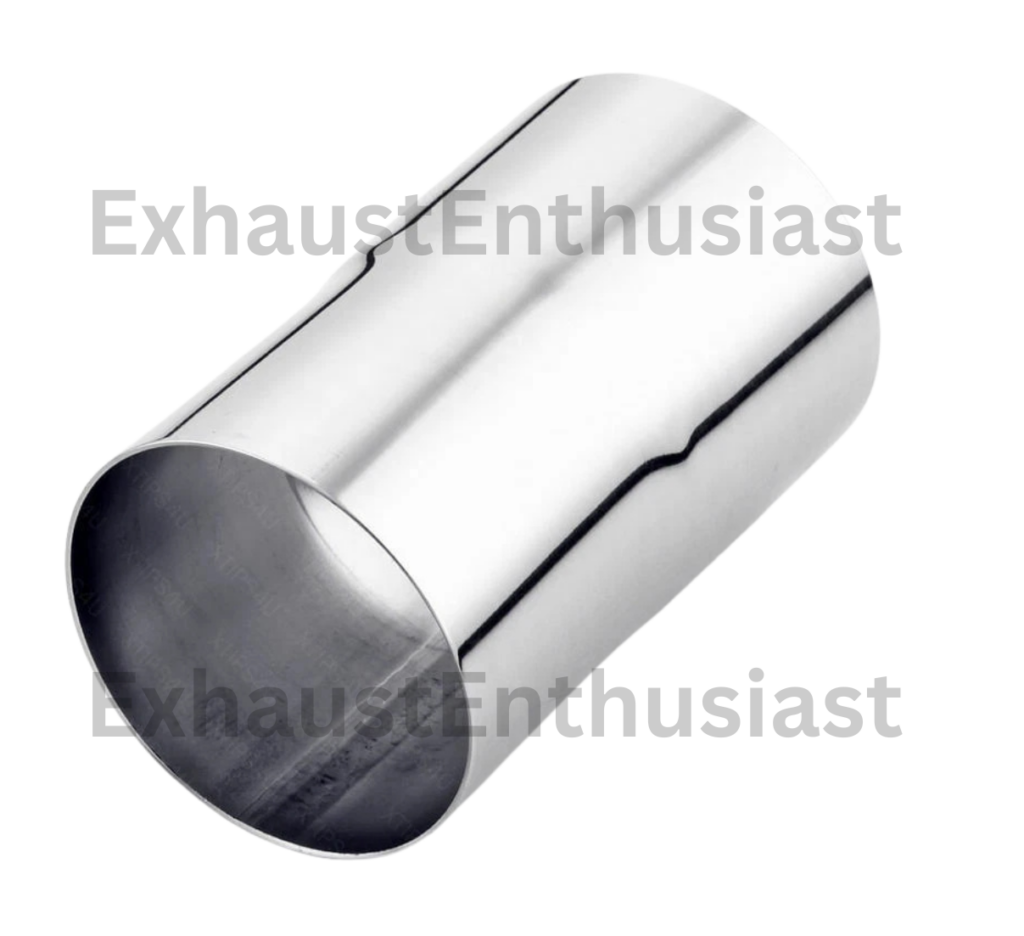
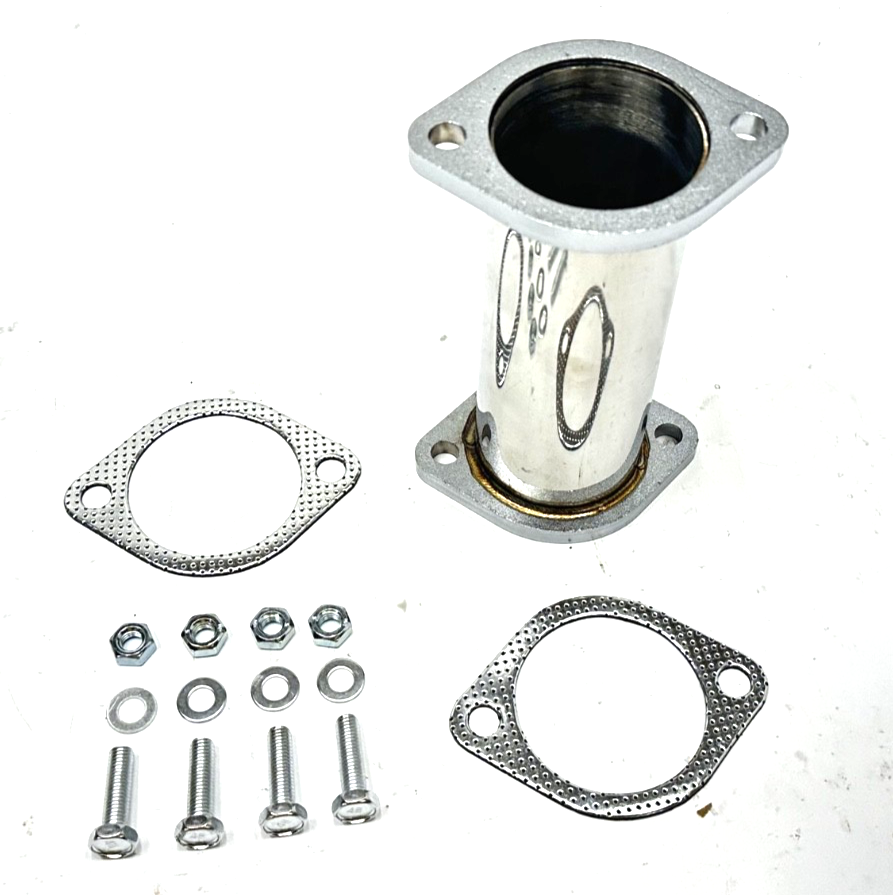
Exhaust extension pipes are additional sections of pipe designed to extend the length of an exhaust system or exhaust tip setup.
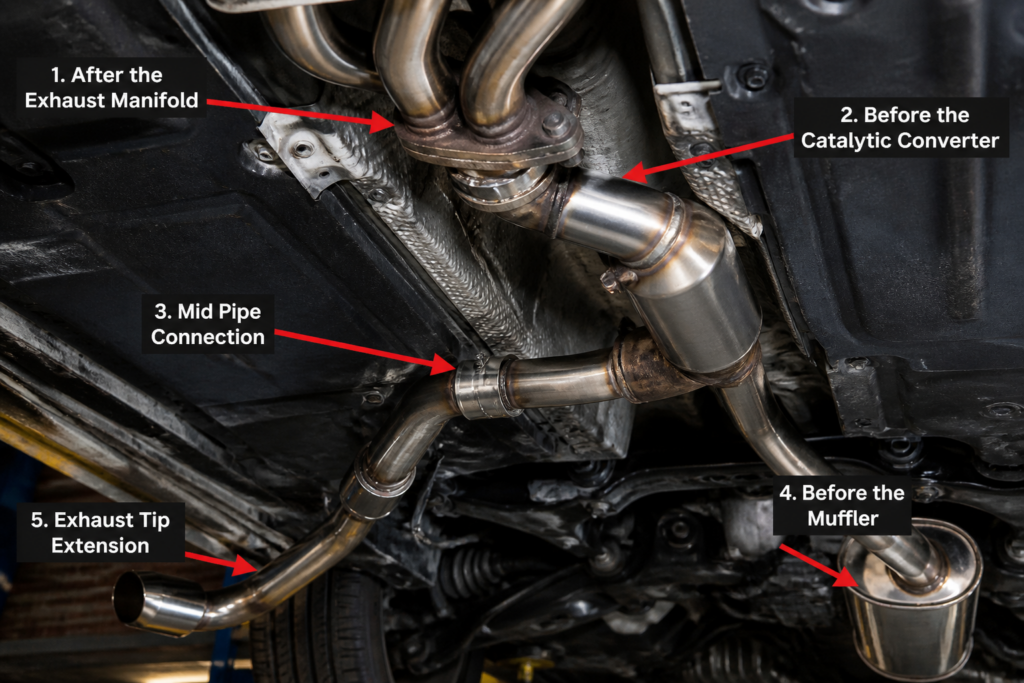
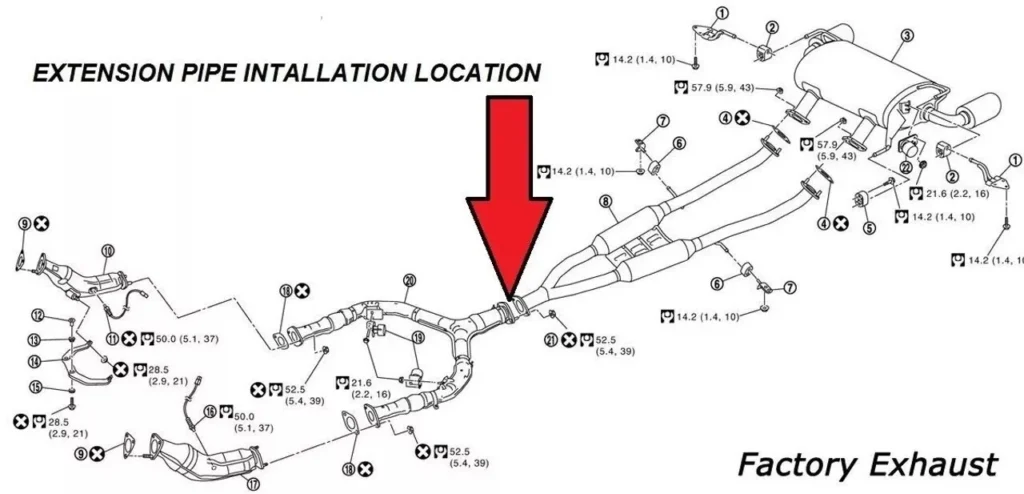
They are typically installed:
- Between the exhaust pipe and exhaust tip
- Behind mufflers
- On custom exhaust systems
- During exhaust tip conversions or modifications
Extensions are available in multiple:
- lengths
- diameters
- clamp-on styles
- weld-on styles
Some are straight, while others include bends or expanded ends for easier installation.
Many different types of extensions and applications!
Why People Use Exhaust Extensions
1. Exhaust Tip Positioning
One of the most common reasons for using extension pipes is adjusting where the exhaust tips sit under the vehicle.
Some setups may:
- sit too far inward
- not reach the bumper cutout
- appear uneven
- require additional spacing after modifications
Extensions help move the tips outward for a cleaner and more balanced appearance.
2. Universal Exhaust Tip Fitment
Universal exhaust tips do not always perfectly match factory exhaust layouts.
Extension pipes can help:
- adapt to different lengths and sizing
- improve positioning
- improve alignment
- create additional clearance
This is especially common on custom exhaust builds.
3. Vehicle Conversions & Custom Builds
Some enthusiasts use extension pipes when adapting parts between different vehicles or modifying bumper setups.
Examples include:
- custom rear bumpers
- diffuser installations
- exhaust rerouting
- aftermarket mufflers
- changing from single to dual outlet setups
4. Achieving a Different Look
Longer exhaust tip setups can create a more aggressive or deeper appearance depending on the vehicle.
Some enthusiasts prefer:
- flush-mounted tips
- extended tips
- staggered positioning
- deeper-set exhaust styles
Appearance preferences are one reason extension setups vary significantly between builds.
Clamp-On vs Weld-On Extensions
Clamp-On Extensions
- Easier to install
- Often removable
- Beginner-friendly
- Common for temporary setups
Weld-On Extensions
- More permanent
- Cleaner appearance
- More secure installation
- Common on custom exhaust systems
Do Exhaust Extensions Affect Sound?
In most cases, short exhaust extensions have minimal effect on sound.
However, factors like:
- pipe length
- diameter
- resonators
- muffler setup
- exhaust routing
can slightly change exhaust tone or resonance depending on the vehicle.
Most people use extensions primarily for fitment and appearance rather than major sound changes.
Things To Measure Before Buying
Before purchasing exhaust extension pipes, measure:
- exhaust pipe diameter
- inside diameter (ID)
- outside diameter (OD)
- desired extension length
- available clearance under the bumper
Incorrect measurements are one of the most common causes of exhaust fitment issues.
Final Thoughts
Exhaust extension pipes are a simple but useful solution for correcting fitment, improving exhaust tip positioning, and supporting custom exhaust setups.
Whether the goal is better alignment, adapting universal parts, or achieving a cleaner appearance, the correct extension setup can make a noticeable difference in the final look of an exhaust system.