
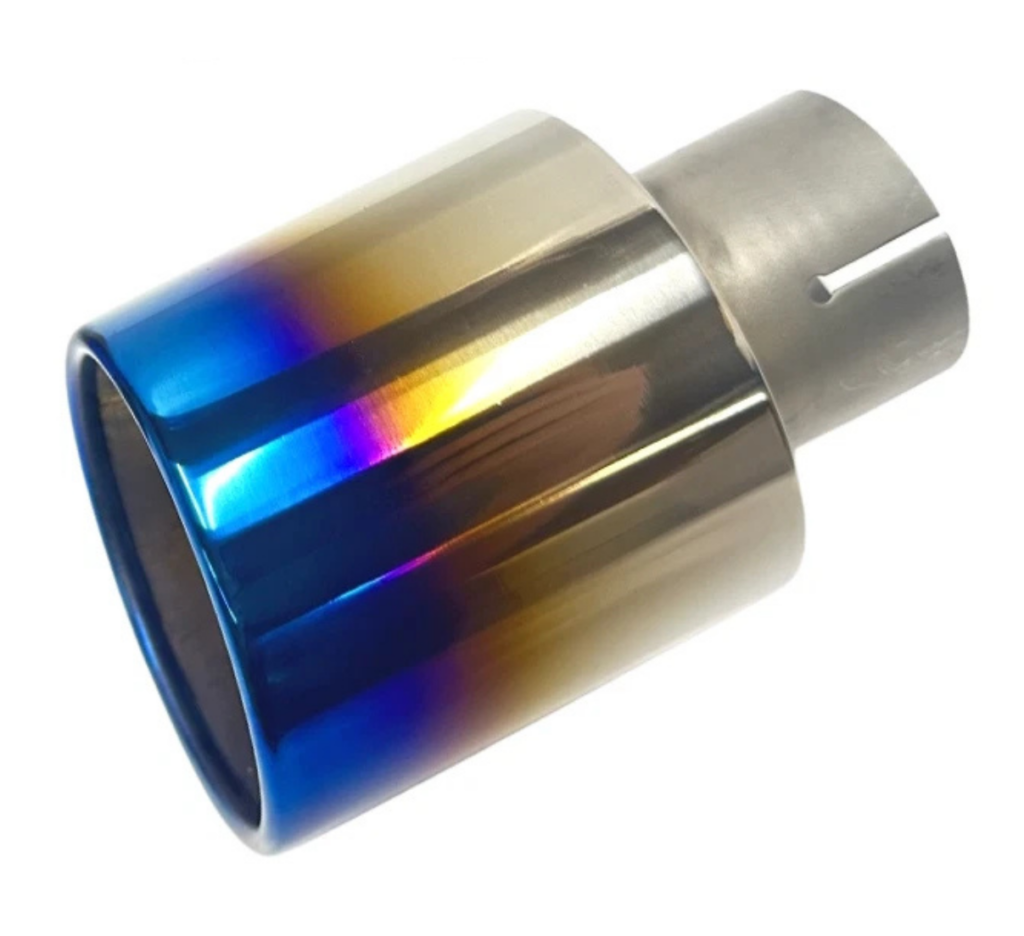
Choosing the right exhaust tip material matters for durability, corrosion resistance, and long-term appearance.
Two of the most commonly compared materials are 304 stainless steel and titanium alloy. Both are widely used in performance exhaust systems.
However, they differ in weight, heat resistance, cost, and long-term durability. Understanding these differences helps buyers decide which material best fits their needs.
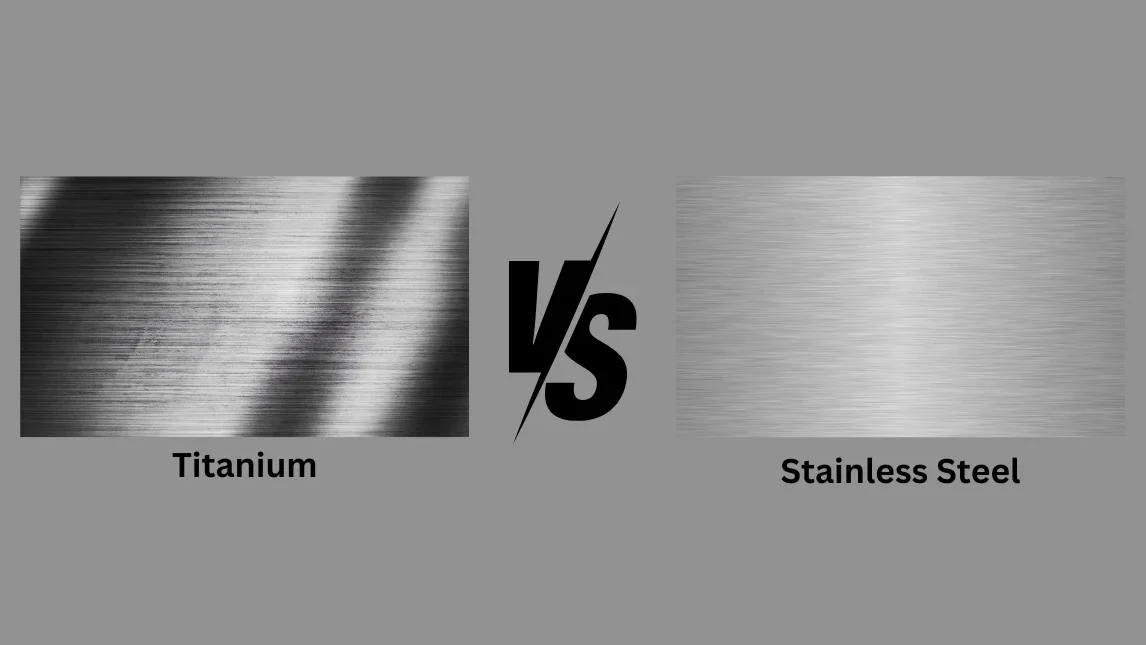
Titanium vs Stainless Steel Exhaust Tips: Key Differences
Using titanium alloy instead of 304 stainless steel can cost more than three times as much to manufacture. The exhaust tip’s design may be identical, but the metal itself is much more expensive.
| Feature | 304 Stainless Steel | Titanium Alloy |
|---|---|---|
| Weight | Heavy | Very light |
| Corrosion Resistance | Excellent | Excellent |
| Heat Resistance | Very good | Extremely high |
| Cost | Lower | Much higher |
| Common Use | Most exhaust tips | High-end performance |
Pros:
- Extremely lightweight
- Very high heat resistance
- Naturally very corrosion resistant
- Premium / performance
- Unique look
Cons:
- Expensive
- Possible discoloration unevenly over time
- Not necessary for most street cars
For exhaust tips specifically, titanium usually does not reduce enough weight to noticeably affect vehicle performance. Because of this, many buyers choose titanium mainly for appearance and preference rather than performance gains.
How To Tell If an Exhaust Tip Is Real Titanium?
Key Differences and how to not get scammed!
- Titanium feels surprisingly light for its size – Stainless steel feels noticeably heavier
- If two similar-sized tips are compared, titanium will feel almost “too light.”
- XRF analyzers – Industrial tools called X-ray fluorescence analyzers can accurately identify the chemical composition of the metal.
- A magnet check can help identify suspicious listings, but it should be used with other checks, such as weight, seller transparency, and alloy documentation.
Conclusion: Which Material Is Better For Exhaust Tips?
Both 304 stainless steel and titanium alloy offer excellent durability and corrosion resistance, making them the most popular choice for exhaust tips.
Most manufacturers use 304 stainless steel because it offers the best balance of strength, corrosion resistance, and affordability.
Titanium alloy exhaust tips weigh much less and handle extreme heat much better. However, they typically come at a higher cost and are often chosen more for appearance and weight reduction than everyday practicality.
In the end, the decision depends on personal preference and individual priorities. Just remember, buying from a reliable, trusted seller is the best way to avoid getting scammed and to get exactly what you want. ExhaustEnthusiast.co supplies a variety of 304 stainless steel exhaust tips as well as an expanding selection of titanium tips, and also accepts custom orders and recommendations. ExhaustEnthusiast.co
Related Posts:
- How to Corectly Measure Exhaust Tailpipe
- Single Wall vs Dual Wall Exhaust Tip
- Does Exhaust Tip Size Affect Sound?
- Stainless Steel 304 vr SS201
- How to Choose the Right Exhaust Tip Size